TAP SWING PROGRESSION PART 2

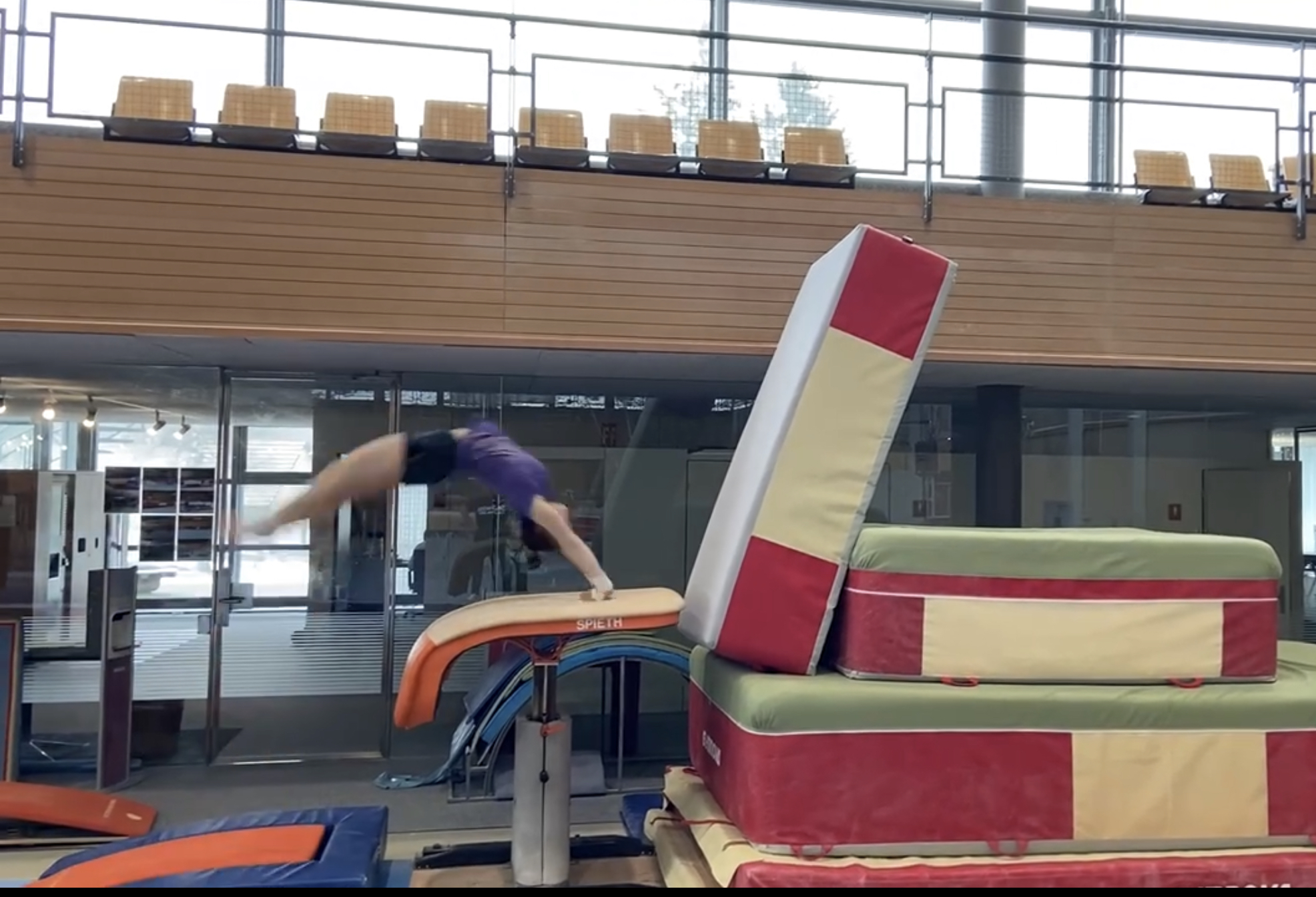
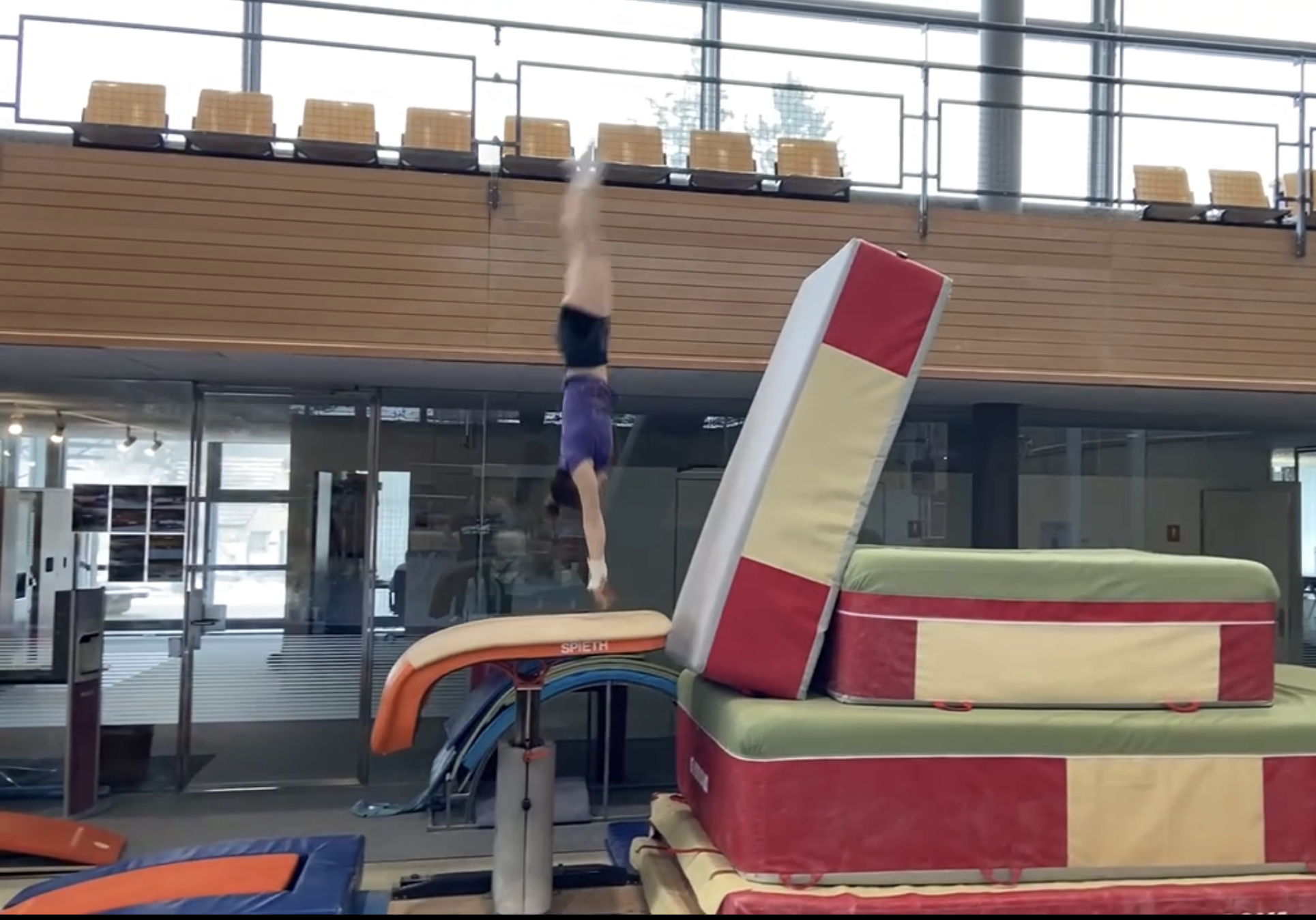
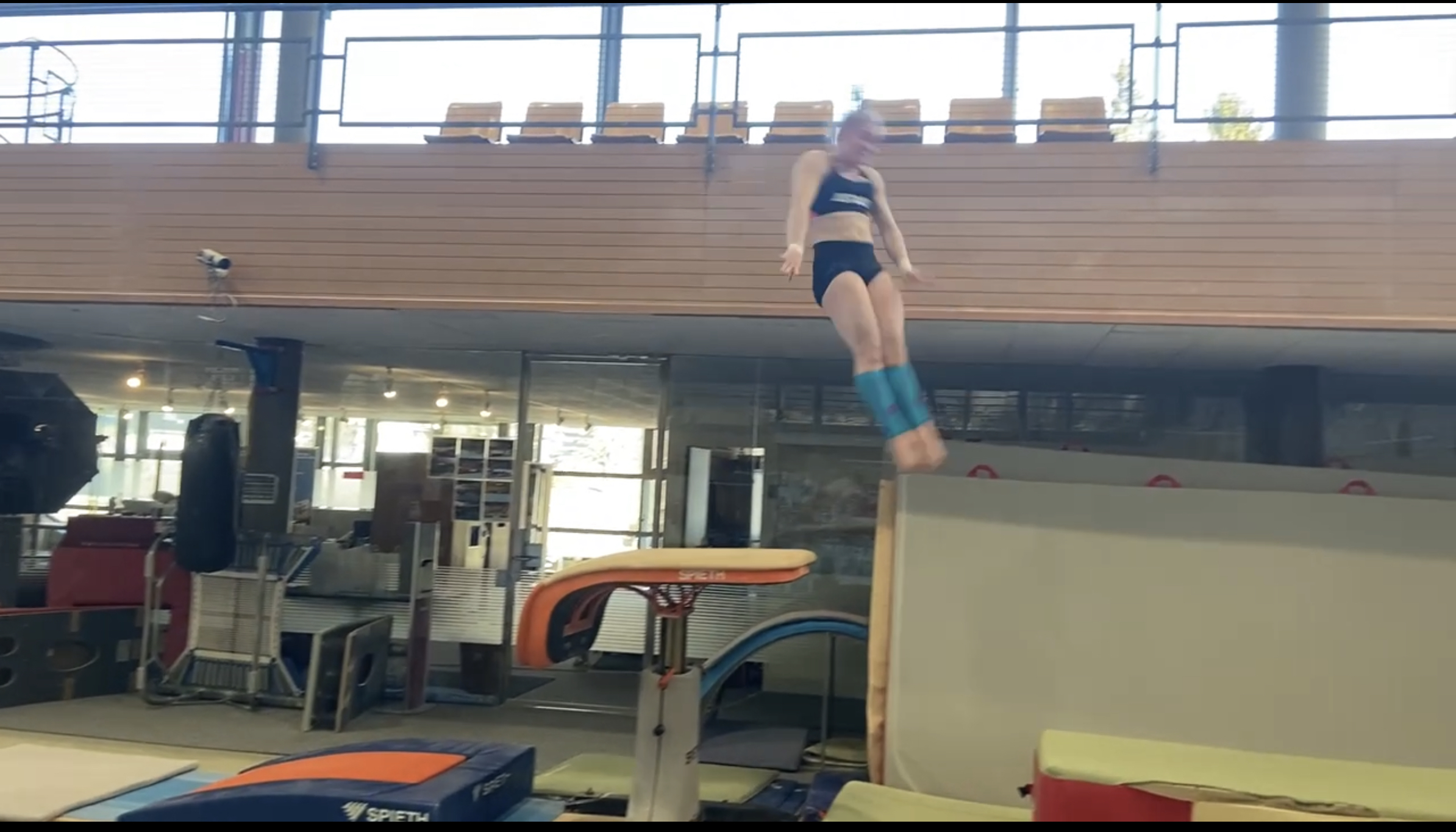
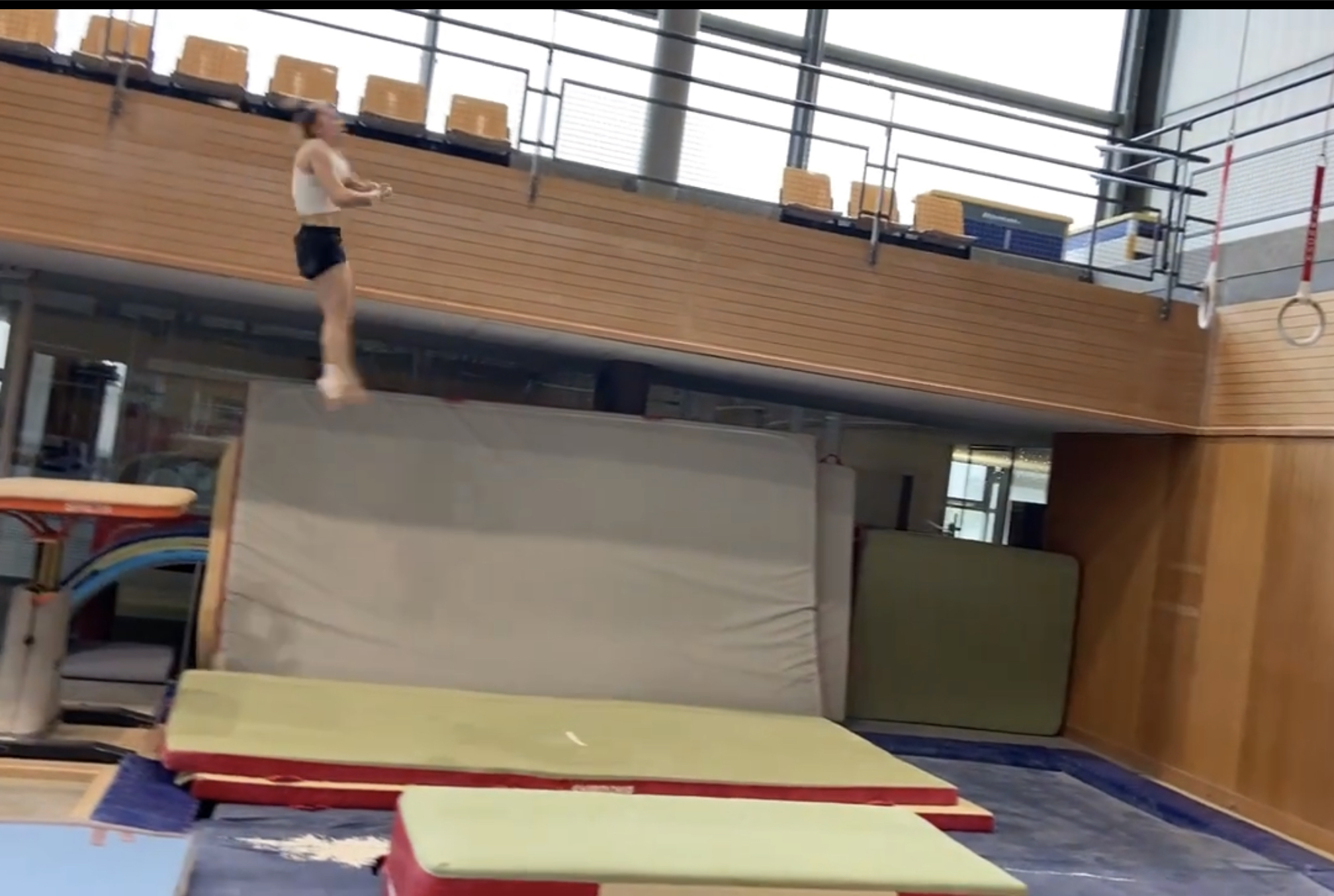
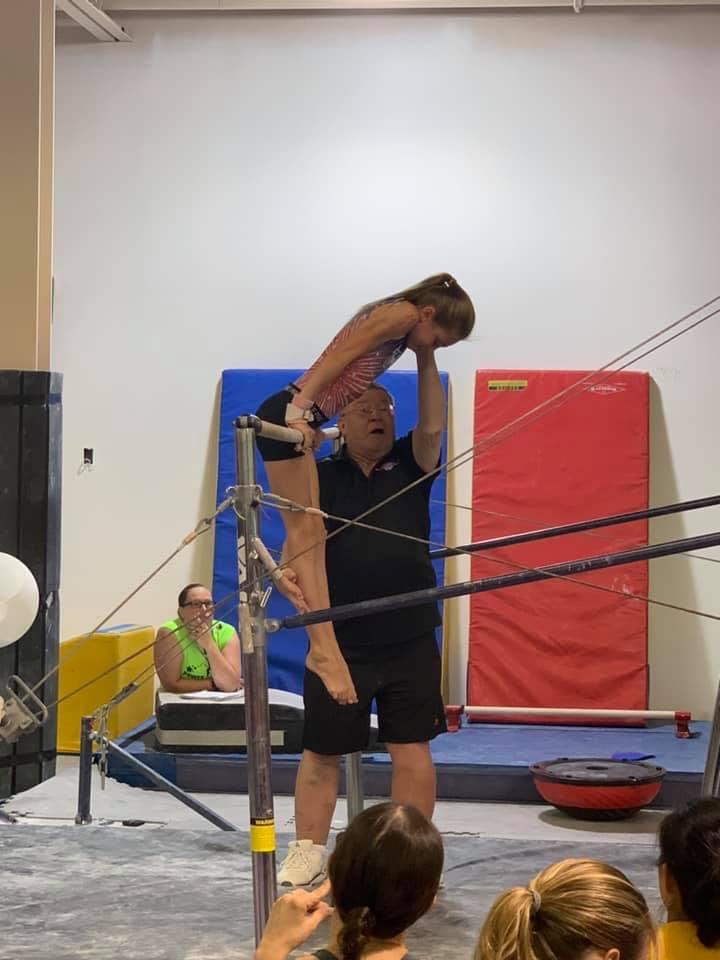
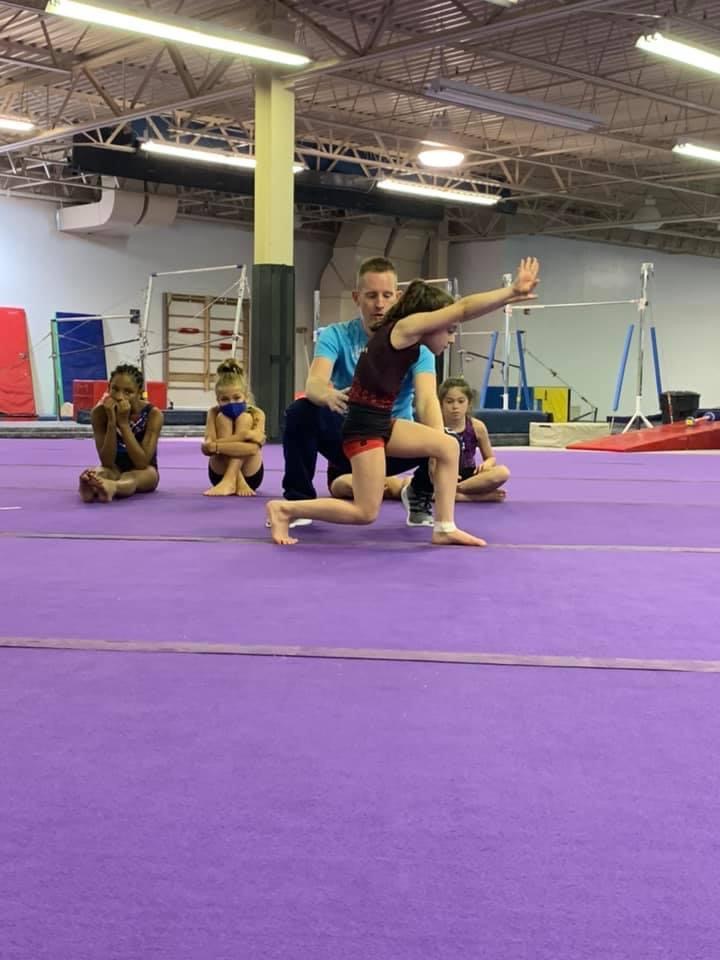
Here is the second part of the TAP SWING PROGRESSIONS from Jason Mortimer.

Click here to see PART ONE


Keep the MOMENTUM going! Share your favorite drills and ideas! SHARE


TAP SWING PROGRESSION PART 1

Thanks To Jason Mortimer for sharing this well thought out progression.


Keep The Momentum Going! Remember that Gym Momentum was created for coaches to share their drills and ideas. Share Your ideas here! MOMENTUM


Reflections

Reflection is what allows us to learn from our experiences: it is an assessment of where we have been and where we want to go next.”

– Kenneth Wolf

Thanks to contributor Casie Millhouse-Singh, Casie  is an American gymnastics coach with over 20 years of experience in the sport as both gymnast, coach and judge. Currently, she is coaching for the Singapore American Community Action Council, better known as SACAC, gymnastics program. She is elected as Singapore Gymnastics Women’s Artistic Gymnastics Recreational Pathway Technical Leader and is also a Singapore National judge. You can follow her blog at: COACH CASIE

Reflection is the process of looking at something in order to review it. When we are in the middle of our gymnastics lessons, we have to make quick decisions, as there is no time to stop and think. When we reflect on the lessons afterwards we are able to think about the decisions we made and decide whether or not they were suitable. We can decide if we would like to make the same decisions again in the same circumstances or if there are better ways of handling it.


In other words, we should question ourselves critically in an unbiased way. Keep an open mind and avoid letting personal feelings get in the way. Try adding space for reflections in your lesson plan templates with the following questions:


Reflection 

  • Did the children seem bored with any activity?
  • Were the children actively involved and eager participants?
  • Did the children seem interested in the activities?
  • Did I struggle to get co-operation from the children?
  • Did they finish the task much quicker than what you anticipated?
  • Did they struggle to finish in the allocated time?
  • Did they enjoy the activities/skills and ask for it to be repeated? Which ones?
  • Did everything go as planned?
  • Which activities would you not recommend in the future?


Do reflections as soon after the activity has been completed as possible so that your ideas and observations are still fresh in your mind.


Reflection is often neglected because we think it takes too much of our precious time. We may also avoid it because we feel that we have failed or not done well. We need to always balance the strengths and the weaknesses, and asked ourselves what aspects worked and what aspects did not work. In this way, we can prevent ourselves from making the same mistakes over again and improve or teaching practice.


STRADDLE CAST HANDSTAND DRILL

Thanks to Mary Lee Tracy from Cincinnati Gymnastics Academy for sharing this drill. And Thank you to the folks at FLIP FEST  for sharing this drill with her!

Mary Lee has some great drills up on her YOU TUBE Channel

Do you have a drill you would like to submit? Keep the momentum going- SHARE

Fun without Competition : Cooperative Activities

Fun without Competition : Cooperative Activities 

Thanks to contributor Casie Millhouse-Singh, Casie  is an American gymnastics coach with over 20 years of experience in the sport as both gymnast, coach and judge. Currently, she is coaching for the Singapore American Community Action Council, better known as SACAC, gymnastics program. She is elected as Singapore Gymnastics Women’s Artistic Gymnastics Recreational Pathway Technical Leader and is also a Singapore National judge. You can follow her blog at: COACH CASIE

Like most coaches of this sport or any sport we can think of great games to get kids motivated and to spark a little friendly competition between our athletes. But what if we have a recreational class with a young girl who is afraid to participate because she might lose and can’t deal with the embarrassment or have one of those super competitive type kids who will do anything, and I mean anything to win at all costs? Cooperative learning activities are great for pre-school, recreation classes and even our team workouts in ways that go deeper than just achieving the goal.

First, can show our children that all physical fitness doesn’t require competition or even a rule-governed game for that matter.  Second, the camaraderie that results from teamwork is precisely the benefit of cooperative activity, whose very essence is working together for a common goal. Intergroup competition is not necessary for group cohesiveness. The distinguishing feature of team competition is that a given person works well with and is encouraged to feel warmly or work well with only half of those present.  Let’s get all the kids involved and everyone on the same side.

Some examples of cooperative activities:

  • -Partner Log Rolls
  • -Toesie Rolls – log rolls with feet touching
  • -Log rolls in 3s, 4s, 5s & super GIANT Log roll
  • -Musical Mats where no one gets out. Instead, take the mats away and let them share all the way down to one mat.
  • -Partnered 1-arm cartwheels
  • -Across the Ocean – using a few carpet squares, or mats the children have to cross the floor jumping from one to another and passing the last one up without touching the floor.
  • Hoop Ring – hold hands in a ring, a hoop is passed around the ring without breaking the ring

The gains realized from cooperative movement and learning are impressive and consistent; Think in terms of self-esteem, social interaction, achievement, individual accountability and positive interdependence. It’s great to show we do not need to beat other people to have a good time.


Video of Super GIANT log Roll

Planning Balance Beam Workouts During Competitive Season

Planning Balance Beam Workouts During Competitive Season

Cori Cunningham. Cori is the Team Coordinator at Atlantic Gymnastics Training Center in Portsmouth, NH. She is a former competitor and Grad assistant at The University of New Hampshire.

During my own competitive gymnastics career I used to dread going to beam every day knowing that we would be expected to do huge numbers of stuck routines.  I would also dread meet day because even though I had numbers of stuck routines tucked under my belt I was still not confident in my ability to hit a routine under pressure.  As a coach I vowed to make an effort to get my gymnasts to look forward to coming to beam.  My other goal is for them to present as confident and competent beam workers on meet day.

The four themes that I use to structure my competitive season workouts are as follows:

Theme #1 – PRACTICE WHAT YOU WANT TO GET GOOD AT – During meet season it is important to be good at timed warmup.  The timed warmup at a meet can set the tone for the competitive routine so it is important to be proficient and successful.  Each gymnast has a set timed warmup that they can do as an individual and one that they can do as a group.  We are never quite sure what type of warmup we will have at a meet so we plan both.  We practice timed warmup as the first thing we do when we get to  balance beam because that is the first thing we will do at meet when we get to balance beam.

Theme #2 – PRACTICE UNDER PRESSURE -  In a meet right after timed warmup a gymnast will have to compete so our next practice theme will be to do some sort of routine work under pressure.  To create a pressure situation I will do any of the following:

  1. Have the entire gym stop and watch a person do a beam routine
  2. Have the beam group sit and watch a person do a beam routine
  3. Require that the entire row of gymnasts stick routines IN A ROW or we start over until this assignment is complete
  4. Put one person up and hold them responsible for deciding the number of routines everyone has to stick that day (i.e. if she sticks we have 5 routines if she falls we have 8 routines)
  5. Hold them each responsible for deciding the number of routines (if you personally stick you have 5 routines if you fall you have 8 routines)

Theme #3 – FIND THE WEAKNESSES AND TARGET THEM – Once we finish the routine work the weaknesses are apparent.  The typical weaknesses for our team are paying attention to detail, sticking flight, and having amplitude on dismounts.  I have found that judging routines and holding them to getting a certain score before they can leave balance beam has a great effect on all three weaknesses.  I am not a judge, but I can guess pretty well at what the deductions would be.  When I stand there with pen and paper in hand I do tend to get many more meet worthy routines.  I also have gymnasts “judge” each other.  The “judge” will count bent legs or wobbles and the gymnasts will have to have 3 or less bent legs or 3 or less wobbles to count that routine as stuck.  The “judge,” even though it is another gymnast, is enough to hold them accountable for working hard.

Theme #4 – ALWAYS PUT THEM TO A TEST SO THEY CAN MEASURE THEIR OWN SUCCESS – I also target the weak areas by “testing” skills.  I will test skills in the following ways:

  1. Team timed skills – I usually count my number of gymnasts and multiply times the number of repetitions I want done (i.e. I have 5 gymnasts and I want them each to stick 3 flight so my total number of stuck flight will be 15).  Then I choose an amount of time I want the skills done in (for 15 stuck flight I would use two beams and time for 2 minutes).  Once I start time the two beams start and I yell out the number of each successful flight until I get to 15 or until the time is up.  If we make the number we celebrate…if we miss the number we double the number and double the time.  Usually the second round is successful because everyone realizes that they are going to need to be focused or their teammates will be very angry when they have to triple the number and triple the time.  This test is a great team building activity because it takes all of them together to successfully complete the task – they will cheer each other on to get those numbers done.
  2. Partner in a row skills – If we are having trouble sticking a skill in competition but not in practice I will pair the girls up and give them a number of that skill to stick in a row as partners.  For example two girls have to stick 10 of their bonus jump series no wobble in a row.  They alternate partners and one girls falls on the 5th one.  They have to start back at zero and the person who falls has to stick the first one of the next set.  It is amazing how much pressure is on turn #10 – and even more fun watching the two celebrate when #10 is successful!
  3. Two in a row in front of me – The beam I watch is the “test beam” and the rest of my stations usually drill the skill we are working on.  When they get to my beam they need to dance in and dance out of whatever skill they need to test and hit it one time in each direction to pass.  If they pass they move onto the next skill in their routine.  If they do not pass they repeat the round and test the same thing for me again.


Typically I will have the same beam workout for two weeks so that everyone gets good at what we are doing.  After two weeks I keep my same 4 themes and change things slightly to keep things fresh for the girls and the coaches.  Keeping my long term goals in mind and staying consistent with the framework for my beam plan allows us a lot of success during meet season!

Keep the MOMENTUM going by sharing YOUR workout plan. SHARE 

Strength and Stability to Help with Tumbling

Thanks to Thomas Hamblin, Head Coach from  Silver Stars TnT  in Silver Springs, Maryland  for sharing. You can view his blog- TUMBLE TECH. Tom is a former National Champion in power tumbling, trampoline, and acrobatic gymnastics.  As a coach he has national and international level experience.

Strength and Stability

Stability is important in almost all aspect in every sport. Stability strength can fire up almost every muscles in your body and sure be a good workout !

Here is a workout for the athletes to work on the lower extremity to help make their legs stronger for landings. However due to working all aspect of the leg muscles from the ankle to the gluteus, it also helps the athletes run faster and jump higher.

Power comes from proper stability and strength to withstand the amount of force that is applied when you are running and jumping. If you didn’t have the strength and the stability you would lose control if you try to max out your running speed or jumping higher on the trampoline, floor, and vault.

We have all seen this in beginner to novice level kids who would try to run fast and they loose control and fall (especially the ages between 2-7 years old). I’m also sure you will see this when kids at any age that try to jump high on the trampoline and they loose control on the trampoline bed (this also core strength as well) Like always control is more important! That control requires stability strength!

Here are some pictures below of athletes working on stability strength in the lower extremity. The 1/2 squat stand should be done with good form as if they are sticking a landing. You can have them hold a medicine ball above their heads to make it harder after they master these exercises.

Step 1: Using a half fitness ball. Squat stand 3 sets for 15-30 seconds.


Step 2: Place the half fitness ball upside down. Squat stand 3 sets for 15-30 seconds.


Step 3: Using a full fitness ball. I place some blocks around it to give a little stability room. Squat stand 3 sets for 15-30 seconds.


Step 4: Squat stand on fitness ball. 3 sets for 15-30 seconds.


HAVE A GREAT DRILL YOU WANT TO SHARE? KEEP THE MOMENTUM GOING SHARE

Teach Pre-team gymnasts a Pull Over

This is another great submission from Jason Mortimer from Michigan. Well thought out and planned. How to teach your pre-team gymnasts a PULL OVER. Also good for REC CLASSES!
[Read more...]

Drills for Giants on Uneven Bars

Giant swings are one of the more difficult “basic” skills that every gymnast must have. It takes strength (with out them fighting the natural swing) as well as a good  tap and extension. There is also the FEAR that many gymnast have. Through the years I have had many gymnasts of all shapes and sizes giant. Here is a collection of drills that I use in that teaching sequence and drills that I use every day.
[Read more...]

Drills For Handspring Full on Vault


Keep the Momentum going! Share your favorite drill. CONTACT